
How Insurance Claims Work for Collision Repair Services
Dealing with an insurance claim after a collision can feel overwhelming, especially when you’re already stressed about your vehicle. The good news is that the process is much more straightforward than most people expect. Once you understand each step, you can move through your claim with confidence and get your car back on the road as smoothly as possible.
How Insurance Claims Work for Collision Repair
Here’s a friendly breakdown of how insurance claims work for collision repair Waterford.
Step 1: Reporting the Accident to Your Insurance Company
The first thing you need to do after a collision is contact your insurance company to report the incident. Most insurers offer 24/7 claims reporting by phone or through a mobile app, making it easy to get the process started right away. When you call, be ready to provide details like the date and location of the accident, a description of the damage, and any information exchanged with other drivers involved. Reporting promptly is important because delays can sometimes complicate your claim down the line.
Step 2: Getting a Damage Assessment
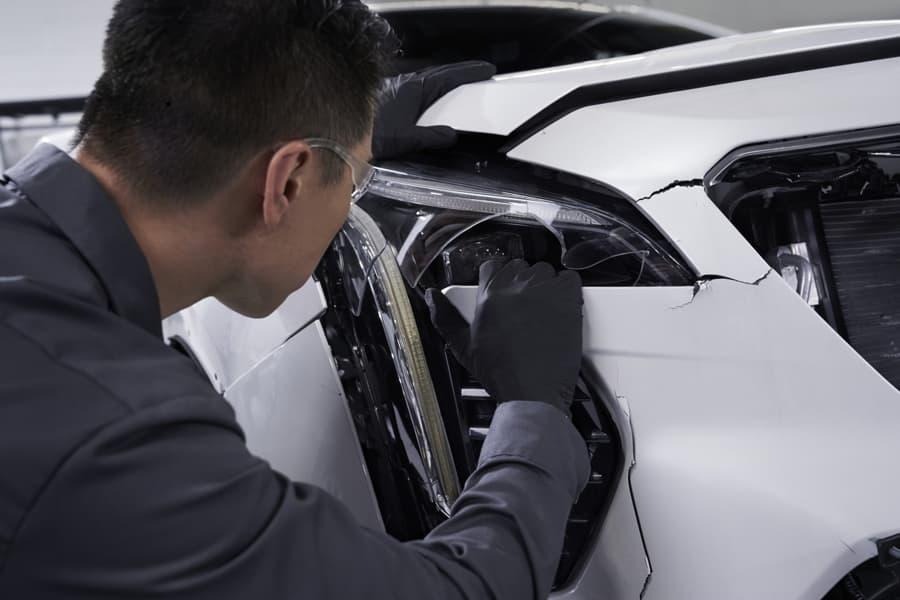
Once you file your claim, your insurance company assigns an adjuster to evaluate the damage to your vehicle. The adjuster either inspects your car in person or reviews photos you submit through a digital claims platform. Based on this assessment, the adjuster prepares an estimate of the repair costs. Many people also bring their vehicle directly to a collision repair shop at this stage, since experienced shops can provide their own detailed estimates and often communicate directly with the insurance adjuster on your behalf.
Step 3: Choosing Your Repair Shop
Here’s something many drivers don’t realize — you have the right to choose your own collision repair shop, regardless of what your insurance company suggests. While insurers may recommend shops within their preferred network, you are not obligated to use them. Choosing a certified repair shop you trust ensures that your vehicle receives quality repairs that meet manufacturer standards. A reputable shop will work directly with your insurer to handle the paperwork and negotiate repair costs, making the process much easier for you.
Step 4: Repair Authorization and Parts Approval
After the insurance company and repair shop agree on the scope and cost of repairs, the insurer issues formal authorization to begin the work. At this point, the shop orders parts and schedules your vehicle for repair. Occasionally, technicians discover additional hidden damage once they begin disassembling the vehicle. When this happens, the shop submits a supplemental claim to your insurance company for approval of the extra repairs. This step ensures that all damage gets properly addressed rather than overlooked.
Step 5: Payment and Deductibles
Once repairs are complete, your insurance company pays the shop directly for the approved costs. However, you are responsible for paying your deductible — the out-of-pocket amount specified in your policy — before or at the time you pick up your vehicle. Additionally, if the other driver was at fault, their liability insurance may cover your repair costs entirely, eliminating your deductible altogether. Your repair shop can help clarify the payment process so there are no surprises when you come to collect your car.
Conclusion: How Insurance Claims Work for Collision Repair
Navigating an insurance claim for collision repair doesn’t have to be a stressful experience. By understanding each step — from reporting the accident and getting an assessment to choosing your shop and handling payment — you can move through the process with ease. A trustworthy collision car repair shop will stand by your side throughout the entire claim, advocating for your best interests and ensuring your vehicle comes back better than ever.
Recent Comments